
I didn't create Tips-Freelancing because I thought the internet needed another website about freelancing.
I created it because I know what it feels like to start, to learn, to make mistakes, to search for clients, to deal with uncertainty, and to slowly build a career one project at a time.
My freelancing journey started more than 12 years ago. Since then I have worked with clients from more than 21 countries, completed 270+ website and marketing projects, collected 47+ verified client testimonials, and experienced both the opportunities and the challenges that come with working independently.
If there is one thing those years have taught me, it is this.
Freelancing is not just about having a skill. It is about knowing how to turn that skill into trust, relationships, opportunities, and a sustainable career.
That is the idea behind Tips-Freelancing.
How my freelancing journey started
When I first started working as a freelancer, I was focused mainly on the work itself. As a web designer, I wanted to build good websites, improve my technical skills, and create work that clients would appreciate.
Freelancing quickly taught me that being good at your profession is only one part of the journey.
I had to learn how to find clients. How to introduce myself. How to write proposals. How to understand what clients actually wanted. How to price my work. How to manage deadlines, revisions, expectations, communication, payments, and sometimes difficult situations.
And most importantly, I had to learn how to build trust.
Over time I realised something. A client isn't simply hiring someone because they have the right technical skill. They are also asking themselves: Can I trust this person? Will they communicate? Will they understand my business? Will they deliver what they promised? Will they be professional if something goes wrong? Will they care about my project?
Those questions matter just as much as technical ability. That realisation changed the way I approached freelancing — and it is the reason how to get your first freelance client on this site spends more time on the conversation than on the craft.

More than 12 years of learning
My career has taken me much further than I originally imagined. I have had the opportunity to work with businesses and individuals from the United States, Australia, the United Kingdom, Nepal, and many other countries.
Every client has been different. Every project has taught me something.
Some projects taught me about technology. Others taught me about business. Some taught me how to solve difficult technical problems. Others taught me that communication can be just as important as the final product.
There were successful projects, challenging projects, unexpected problems, tight deadlines, revisions, changes in direction, and plenty of lessons along the way. That is what I value most about freelancing: every project becomes an opportunity to learn.
Behind every number in that list above is a person. A business owner who trusted me with a project. A client who gave me an opportunity. A problem that needed solving. A conversation. A deadline. A finished project. And sometimes, a long-term professional relationship.

The biggest lesson I learned
If I had to choose one lesson from my freelancing career, it would be this.
People remember how you make them feel, not just what you deliver.
Quality matters. Skills matter. Experience matters. But trust matters enormously.
A freelancer can have an impressive portfolio and still lose a client because they communicate poorly. Another may not have the biggest portfolio, but if they listen carefully, communicate clearly, keep their promises, and genuinely care about the client's goals, they can build a relationship that lasts for years.
Freelancing is ultimately about people. Behind every project is a person. Behind every business is a person. Behind every contract is a relationship.
Why I created Tips-Freelancing
As my own experience grew, I started sharing what I had learned with others. I had opportunities to train students, provide consulting, help businesses, and share knowledge about web design, digital marketing, technology and freelancing.
And I kept seeing the same situation. People wanted to freelance. They had skills. They were motivated. But they often didn't know what to do next.
Someone might know how to design a website but have no idea how to find their first client. Someone might be an excellent developer but struggle to write a proposal. Someone might get plenty of projects but struggle with pricing or managing scope. Someone might have years of experience and still find it difficult to build a strong personal brand.
I understood these problems because I had experienced many of them myself. So I started thinking: what if I could bring everything I've learned into one place? Not generic advice. Not motivational quotes. But practical lessons, strategies, resources, tools and experiences that freelancers could actually use.
That idea became Tips-Freelancing.
What I want this site to be
I don't want Tips-Freelancing to feel like a website that simply tells people what they should do. I want it to feel like a place you can come when you are stuck and ask: okay, what should I do next?
If you're trying to find your first client, I want to help you understand where to look — that's how to find freelance work. If you're struggling with proposals, how to write a freelance proposal covers what actually makes one effective. If you're unsure what to charge, how to set freelance rates walks through pricing professionally. If you want a better portfolio, what each case study needs shows what matters.
And if you're already experienced, I want to help you find new strategies, tools and opportunities — starting with how to increase your freelance income.
The goal is simple: less confusion, more clarity.
What you'll find here
Freelancing guides for people starting from zero, and for freelancers who want to take their careers further.
Practical tips on finding clients, writing proposals, pricing services, communicating professionally, managing projects and building long-term relationships.
Freelance jobs — which roles exist, what they pay, and which ones hire people without a track record.
Freelancer tools that make everyday work easier: proposals, pricing, project management, invoices and communication.
Portfolio and personal branding, because having a skill isn't enough. You also need to show people what you can do and give them a reason to trust you.
Client management — communication, project scope, deadlines, revisions, feedback, and the professional relationships that turn one project into many.
Skills and learning, because technology doesn't stand still and neither can freelancers. AI, automation, digital marketing, web technologies and remote collaboration keep changing how we work.
What I learned from clients
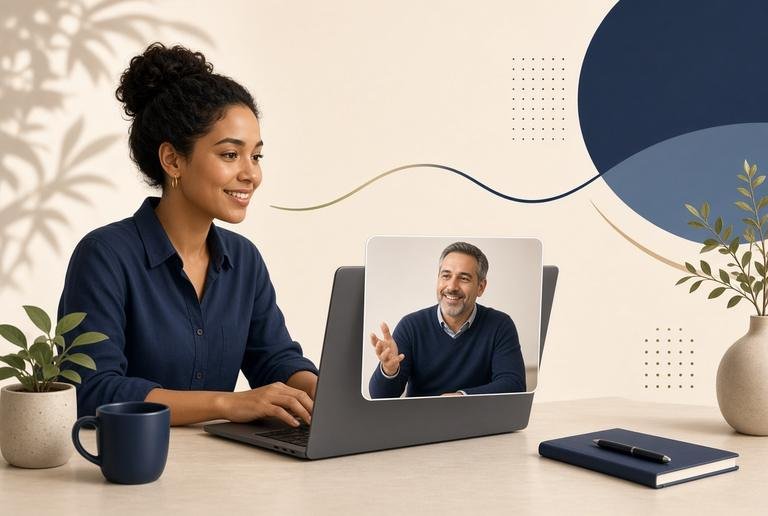
One of the greatest benefits of freelancing has been working with people from different backgrounds, industries and cultures. Every client has their own way of thinking. Every business has different goals. Every project has a different story.
Working internationally taught me to listen more carefully. A client may not always explain a problem in technical language. Sometimes they tell you what they think they need when what they actually need is something different.
So I've learned to ask questions. To listen. Not to make assumptions. And to understand that sometimes the most valuable thing I can do for a client is not to start working immediately, but to first understand what they are actually trying to achieve.
Trust comes before business
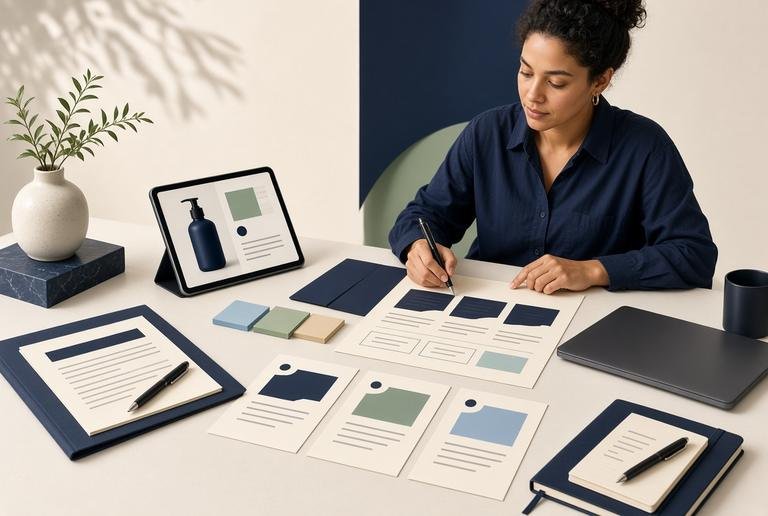
When someone hires a freelancer, they are taking a risk. They don't always know you. They may never have met you. They may be in another country. They may be trusting you with their website, their marketing, their business idea or their brand.
So before they buy your service, they need confidence in you. Trust is built through small things:
- Replying when you say you will
- Being honest about what you can deliver
- Asking the right questions
- Setting realistic deadlines
- Explaining things clearly
- Admitting mistakes when they happen
- Keeping clients informed and respecting their time
- Delivering quality work and following through on your promises
These sound simple. Over a long career, I've learned that simple professional habits make an enormous difference.
Freelancing is more than working from home
When people hear the word "freelancing," they sometimes picture working from home in front of a laptop. For me it has become much more than that.
It has taught me business, communication, marketing, sales, negotiation, patience, and how to deal with uncertainty. It has taught me how to build relationships with people I may never meet in person.
Most importantly, it has taught me that your career can be something you actively build rather than something that simply happens to you.

There were challenges too
I don't want to make freelancing sound perfect. It isn't.
There are difficult clients. There are projects that don't go according to plan. There are quiet periods when new work is hard to find. There are deadlines that feel impossible and revisions that seem endless. There are times when you question whether you're doing the right thing.
But those moments are often where the biggest lessons come from. A difficult project teaches you to set better boundaries. A lost opportunity teaches you to improve your proposal. A difficult client teaches you how much communication and expectations matter. A mistake teaches you something no course or book ever could.
I don't believe in pretending freelancing is an overnight success story. It is a journey, and every journey has good days and difficult ones.

What success means to me
After more than a decade, I don't define success only by the number of projects completed.
Success is the client who comes back because they trusted me. The business owner who says a website helped their business. The person I helped who later gets their first freelance client. The student who learns a skill and starts building a career. The freelancer who avoids a mistake because of something they read here.
Those moments matter, and that is the kind of impact I want this site to have.
The future is changing
The freelance world I entered more than a decade ago is not the world we have today. AI is changing how people work. Automation is changing traditional tasks. Remote teams are increasingly common. Businesses can hire talent from almost anywhere.
Some of these changes feel intimidating. I also see enormous opportunity. Freelancers who stay curious, keep learning and adapt to new technology will have opportunities previous generations never had — which is why AI tools for freelancers is honest about where the tools help and where they quietly cost you the client.
My commitment to you
I don't want you to feel like you're reading advice from someone who has all the answers. I don't have all the answers. Nobody does.
What I can offer is experience. More than 12 years of learning through real projects, real clients, real challenges and real opportunities. I've made mistakes, learned from them, changed my approach, and I'm still learning today.
So my commitment is to keep this site practical, honest, experience-driven and focused on real progress. I won't promise you overnight success. There is no magic formula. Instead I want to help you build something that lasts.
How that works in practice — sourcing, corrections, affiliate disclosure and how I use AI — is set out in the editorial policy.
Who this is for
Maybe you're wondering can I really make a living freelancing? This is for you.
Maybe you've already started but can't find consistent clients. This is for you too.
Maybe you're experienced and looking for better tools, new opportunities, or ways to adapt to AI and changing technology. You're welcome here.
Maybe you're a web designer, developer, writer, marketer, graphic designer, video editor, consultant, photographer, virtual assistant or another independent professional. There's something here for you.
And if you're a business owner looking for talented freelancers, you're part of this journey too — because freelancing only works when both sides succeed.

Where this is going
My long-term vision is to build a trusted global platform for freelancers and clients, where you can move through the whole journey: learn, improve your skills, build a portfolio, find opportunities, win clients, deliver great work, build trust, and grow.
And I want clients to have a better experience too: post a project, discover talent, review profiles, connect, hire, collaborate, and build long-term relationships.
Freelancers deserve better opportunities. Clients deserve reliable professionals. Both deserve a platform built around professionalism, transparency and trust.
Welcome
When I look back at where my journey began, I realise I didn't have everything figured out. I simply kept learning, kept improving, kept taking opportunities, kept meeting clients, and kept making mistakes and learning from them.
One project led to another. One client led to another. One lesson led to another. More than 12 years later, I'm still learning.
That's probably the most honest thing I can tell anyone who wants to start freelancing: you don't need to have everything figured out before you begin. You need a skill, curiosity, patience, professionalism, a willingness to learn, and the will to keep moving forward.
A freelance career isn't built in a day. It's built one skill, one project, one client and one lesson at a time.
If my experience makes that journey a little easier for someone else, then creating Tips-Freelancing was worth it.
Start with how to start freelancing, or get in touch — I read every message.